Figuring out how to tell if contact lens is inside out is a common challenge for both new and experienced contact lens wearers. Modern soft contact lenses are extremely thin and flexible, which makes them comfortable on the cornea but can also make verifying their correct orientation slightly tricky. If an inverted lens goes into your eye, it will not cause permanent damage, but it will feel uncomfortable and may shift around or fall out when blinking. Fortunately, several visual and physical checks allow you to verify the correct lens shape in seconds before insertion.
The Side View Profile Test
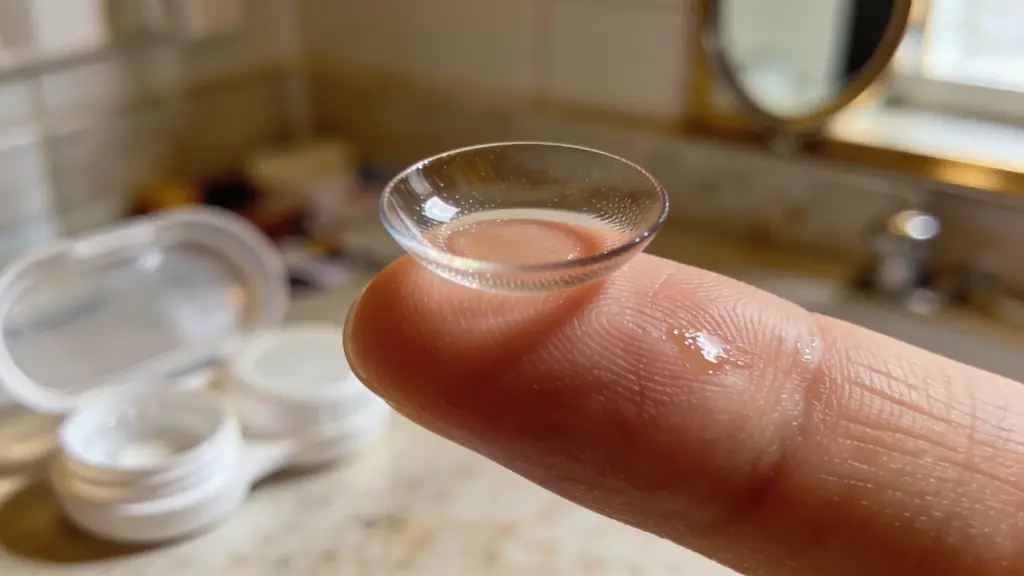
The most reliable method to check lens orientation is examining its profile from the side. Wash and dry your hands completely with a lint-free towel, then place the lens on the dry tip of your index finger. Hold your finger up at eye level against a well-lit background and observe the edges of the lens.
When oriented correctly, the lens forms a perfect half-circle or bowl shape, similar to a classic soup bowl. The edges point straight up toward the ceiling. If the lens is inverted, the edges flare outward slightly at the top, resembling a rimmed soup bowl or a flying saucer. Upon noticing flared edges, simply flip the lens back over gently using your fingertips.
How to Do the Taco Test
If observing the subtle curve of the edges proves difficult, the taco test serves as a foolproof physical alternative. Place the contact lens between the tips of your thumb and index finger, holding it near the center rather than the outer rim.
Gently squeeze your fingers together as if folding a taco shell. With correct orientation, the edges roll inward and the tips meet easily at the top. When inverted, the edges bend away from each other and fold outward against your fingers instead of touching.
Checking for Laser Markings
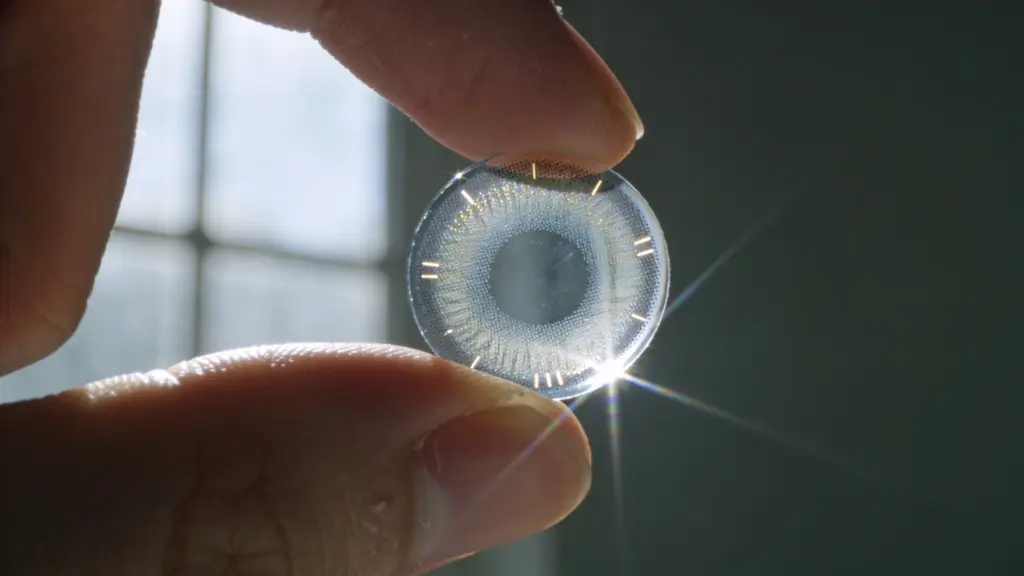
Many major contact lens manufacturers engrave tiny laser markings near the edge of their products to simplify orientation. Depending on the brand, this indicator might be a set of numbers such as 123 or a brand-specific letter code.
Place the lens on the tip of your index finger and hold it up to a bright light source. Inspect the outer surface from the outside of the cup. If the numbers or letters read normally from left to right, the lens is ready for wear. If they appear backward or mirrored, the contact lens is inverted and requires flipping over before insertion.
What Happens If You Put an Inverted Lens in Your Eye
Wearing an inverted contact lens is safe in terms of eye health and cannot cause blind spots or corneal scratches on its own. However, because the base curve of the lens is reversed, it fails to sit correctly on the domed surface of the cornea.
Within seconds of blinking, you will experience immediate discomfort, a scratchy sensation, and excessive tearing. The lens will feel loose, may slide off center toward the sclera, and vision might appear slightly blurry. Upon noticing these symptoms, wash your hands, remove the lens, rinse it with sterile saline or multi-purpose contact solution, verify the shape, and reinsert it correctly.
Why Lenses Flip Inside Out in the Case
It is common to pull a fresh lens from a blister pack or a storage case and notice that it is already inverted. Lenses can easily reverse when wiped clean in the palm of the hand or when sticking to the dry lid of a case upon unscrewing. Thin daily disposable lenses are especially prone to folding inside out due to their high water content and ultra-flexible materials. Always perform a quick shape check before every insertion, even with a brand new blister pack.
People Also Ask
Can you tell if a contact lens is inside out while wearing it?
Yes. If a lens is inside out on your eye, you will feel it almost immediately. It will feel scratchy, move noticeably every time you blink, and fail to settle comfortably against your eye. In many cases, it will simply pop out on its own because the inverted curve cannot grip the cornea properly.
Will an inverted contact lens damage your eye?
No. An inverted lens is irritating and uncomfortable, but it does not cause permanent harm or corneal damage. The discomfort is simply a mechanical mismatch between the curvature of your eye and the reversed shape of the lens. Once you remove, clean, and flip the lens, the discomfort subsides instantly.
Why is my contact lens blurry even when it is correctly oriented?
If your lens is correctly oriented but your vision is still blurry, the lens may have protein deposits, surface buildup, or a small tear. It could also indicate dry eyes, or you may have accidentally switched your right and left lenses if you have different prescriptions for each eye. If the problem persists with a clean and correct lens, consult an optometrist.
Do all contact lenses have numbers on them?
No. Only certain brands feature laser-etched orientation marks like the 123 indicator. If your specific brand of daily, bi-weekly, or monthly lenses does not include printed markings, rely on the side view profile check or the taco test to verify correct orientation.